New H-1B Form I-129 Takes Effect April 1, 2026 with Wage-Based Lottery Weighting
Navigating the 2026 H-1B Landscape: The Updated Form I-129 and Wage-Weighted Lottery
The H-1B visa program is undergoing a massive transformation for the Fiscal Year (FY) 2027 cap season. U.S. Citizenship and Immigration Services (USCIS) is replacing the traditional random lottery with a new wage-weighted selection process that takes effect on February 27, 2026. Concurrently, a heavily revised Form I-129 becomes mandatory for all petitions postmarked on or after April 1, 2026.
For HR teams, mobility professionals, and foreign nationals, these changes mean that strategy and compliance must be perfectly aligned long before a petition is ever filed. Here is a detailed breakdown of the new wage-weighted lottery, the updated Form I-129, and what employers need to know to prepare.

Photo by RDNE Stock project
The New 4:3:2:1 Wage-Weighted Selection System
To prioritize the admission of highly skilled and highly paid workers, the Department of Homeland Security (DHS) has shifted to a system that weights registrations based on the Department of Labor's Occupational Employment and Wage Statistics (OEWS) wage levels. Under this new framework, an applicant's probability of selection is directly tied to the wage level their offered salary equals or exceeds.
Registrations are entered into the lottery multiple times based on the corresponding wage level:
- Level IV (Fully Competent): 4 entries
- Level III (Experienced): 3 entries
- Level II (Qualified): 2 entries
- Level I (Entry): 1 entry
This creates a drastic shift in selection odds. Based on DHS projections, Level IV registrations will see an approximate 61% chance of selection, Level III will see 46%, Level II will see 31%, and Level I will drop to roughly 15%.

Photo by SHVETS production
Real Example: The Multi-Registration Rule
The new system remains beneficiary-centric, meaning a worker does not gain an advantage by having multiple companies submit registrations on their behalf. In fact, if multiple employers submit registrations for the same beneficiary at different wage levels, USCIS will assign the lottery weight based on the lowest wage level across all registrations.
Scenario: Company A registers a beneficiary at Level II, Company B at Level III, and Company C at Level IV.
Result: The beneficiary receives only two lottery chances, defaulting to the Level II weight submitted by Company A.
The New Compliance-Focused Form I-129
To enforce the integrity of the wage-weighted lottery, USCIS released a new edition of Form I-129 (dated 02/27/26), which is mandatory starting April 1, 2026. USCIS will reject any petitions submitted on older versions of the form after this date.
The revised form requires much greater specificity regarding the actual minimum requirements of the offered position. Employers must now disclose:
- The minimum education level required for the role
- The specific field(s) of study required
- The amount and type of work experience needed
- Any special skills required
- Whether the role includes supervisory duties, including the exact number of people supervised and their titles
Crucially, the new form requires employers to explicitly state the wage level that was selected at the time of the H-1B registration. This allows USCIS to cross-reference the registration wage level against the Labor Condition Application (LCA) and the stated job duties to identify inconsistencies.
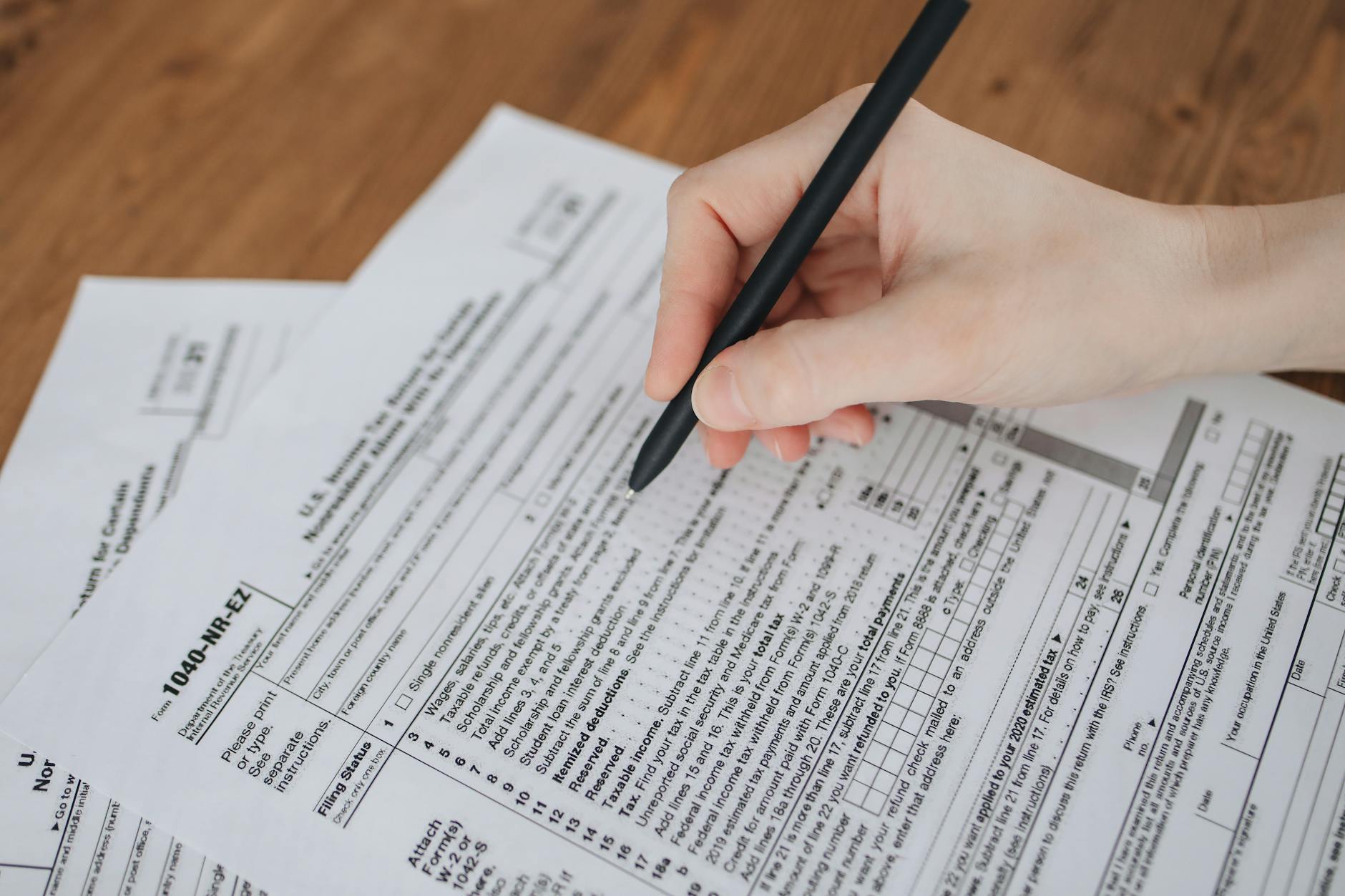
Photo by Polina Tankilevitch
Registration Wage vs. LCA Wage: Understanding the Difference
A vital strategic element of the new rule is the distinction between the registration wage level and the LCA wage level.
- The LCA wage level is dictated by the minimum requirements of the position (education, experience, supervision).
- The Registration wage level is based on the actual salary offered, specifically the highest OEWS level that the offered salary equals or exceeds.
Real Example: Salary Thresholds
An employer wishes to hire a recent graduate for a role where the minimum job requirements dictate an LCA wage of Level I or Level II. However, to increase the candidate's selection odds, the employer offers a salary of $110,000.
If the Level II threshold for that occupation and location is $95,000 and Level III is $120,000, the registration must be submitted at Level II, because the salary does not yet meet the Level III threshold.
If the employer increases the offer to $120,000, they can legitimately register the worker at Level III, gaining three lottery entries.
Employers must remember that paying above the required prevailing wage represents a binding commitment to pay that higher wage if selected.

Photo by August de Richelieu
Strict Anti-Gaming and Consistency Rules
The front-loaded nature of the weighted lottery means early decisions carry massive downstream consequences. USCIS has implemented strict anti-gaming provisions to ensure employers do not artificially inflate wages or manipulate locations just to win the lottery.
Petitions must be filed with the exact same Standard Occupational Classification (SOC) code, wage level, and worksite location as the initial registration. While USCIS may accept non-material changes (such as an offered wage that is lower than the registered wage but still falls within the same wage level bracket), USCIS will likely deny or revoke petitions if the wage level drops below what was registered.
Real Example: Remote Work and Multiple Locations
If an employee will work in multiple locations, the employer must base the registration on the lowest corresponding wage level across all sites.
Scenario: A software engineer divides their time between a company office in Atlanta (where the offered salary meets the Level III threshold) and a remote home office in Birmingham (where the same salary meets the Level II threshold).
Result: The employer must register this worker at Level II.

Photo by Marina Leonova
Key FY 2027 Dates to Remember
- February 27, 2026: The new wage-weighted selection rule officially takes effect.
- March 4 – March 19, 2026: The H-1B registration period opens under the new weighted framework.
- April 1, 2026: The new Form I-129 (dated 02/27/26) becomes mandatory for all filings, coinciding with the opening of the H-1B petition filing window.

Photo by RDNE Stock project
Important: Under this new system, precision is paramount. Even small missteps or inconsistencies between the registration, the LCA, and the final petition can lead to Requests for Evidence (RFEs) or outright denials.


Comments
Post a Comment